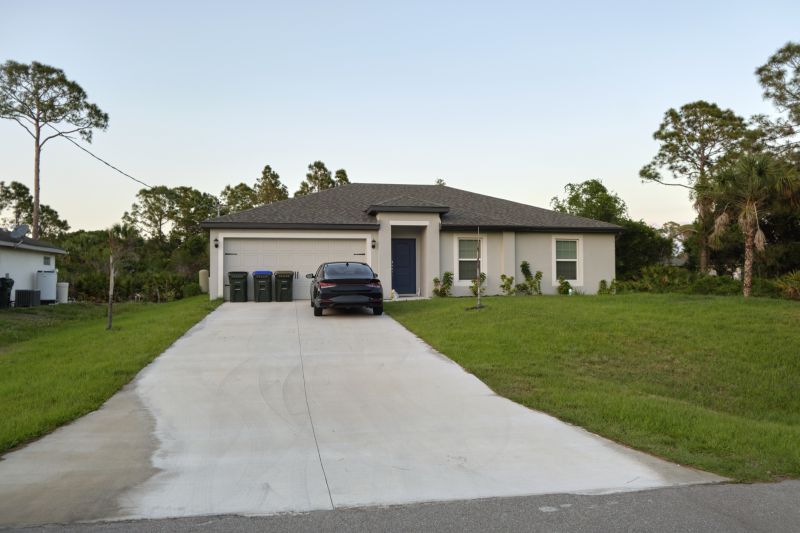
Driveway Grading in Houston, TX
Driveway grading services involve leveling and shaping the surface of a driveway to ensure proper drainage, stability, and an even appearance. This process typically covers a variety of projects, including residential driveways, commercial parking lots, and pathways that require regrading or smoothing out uneven areas. Property owners often seek driveway grading to prevent water pooling, reduce erosion, and improve the overall functionality and aesthetic of their property’s entrance.
Before requesting driveway grading, property owners usually want to understand the current condition of their driveway, including areas that are sinking, cracking, or experiencing poor drainage. It’s also helpful to consider the type of driveway surface, the extent of unevenness, and any specific concerns related to water runoff or vehicle access. Clear information about these factors can help determine the scope of work needed to achieve a durable, level driveway.
Many property owners in Houston, TX look into Driveway Grading for repairs, replacements, upgrades, and appearance-related improvements.
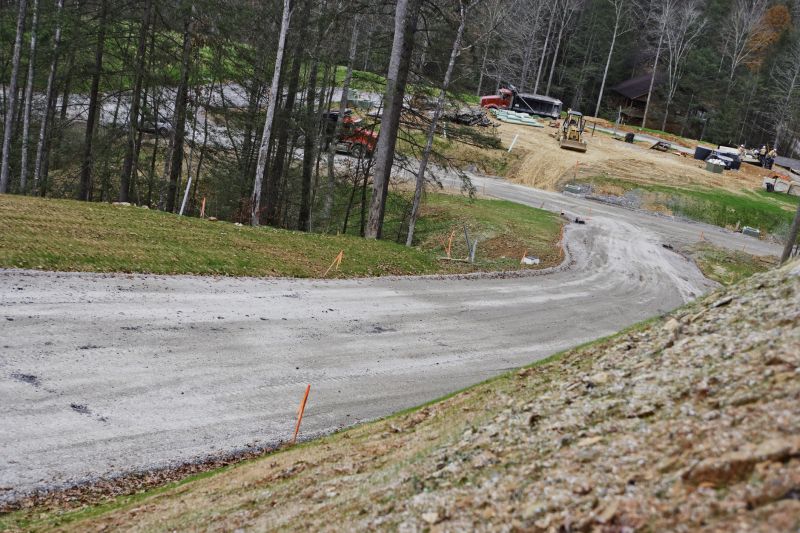
Importance Of Proper Driveway Grading
Proper grading ensures effective drainage and prevents water pooling on your driveway.
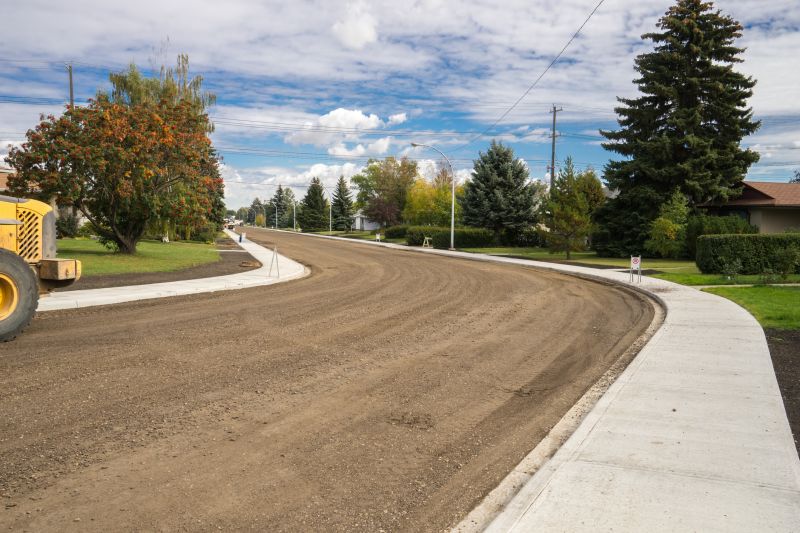
Common Driveway Grading Projects
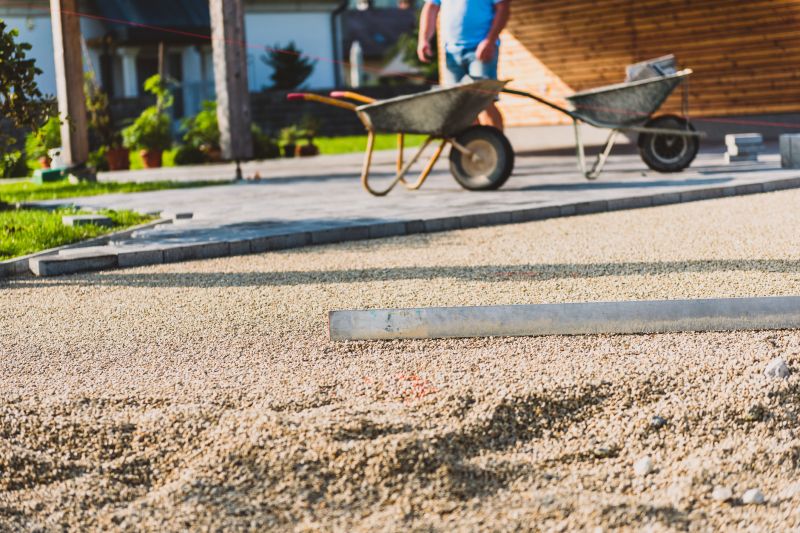
Services often include leveling uneven surfaces, restoring slopes, and preparing driveways for paving or sealing.
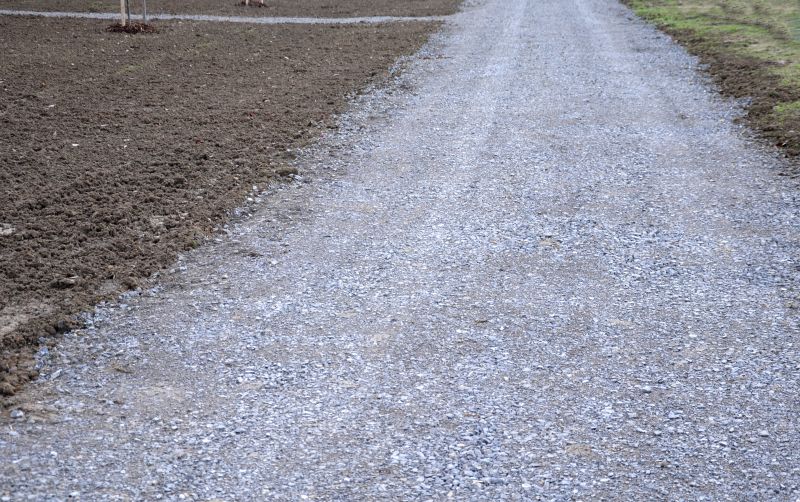
Signs You Need Driveway Grading
Visible cracks, standing water, or uneven surfaces indicate that grading may be necessary to maintain driveway integrity.
Driveway Grading in Houston, TX

Driveway grading services involve leveling and shaping the surface of a driveway to ensure proper drainage, stability, and an even appearance. This process typically covers a variety of projects, including residential driveways, commercial parking lots, and pathways that require regrading or smoothing out uneven areas. Property owners often seek driveway grading to prevent water pooling, reduce erosion, and improve the overall functionality and aesthetic of their property’s entrance.
Before requesting driveway grading, property owners usually want to understand the current condition of their driveway, including areas that are sinking, cracking, or experiencing poor drainage. It’s also helpful to consider the type of driveway surface, the extent of unevenness, and any specific concerns related to water runoff or vehicle access. Clear information about these factors can help determine the scope of work needed to achieve a durable, level driveway.
Many property owners in Houston, TX look into Driveway Grading for repairs, replacements, upgrades, and appearance-related improvements.
Common Driveway Grading Jobs
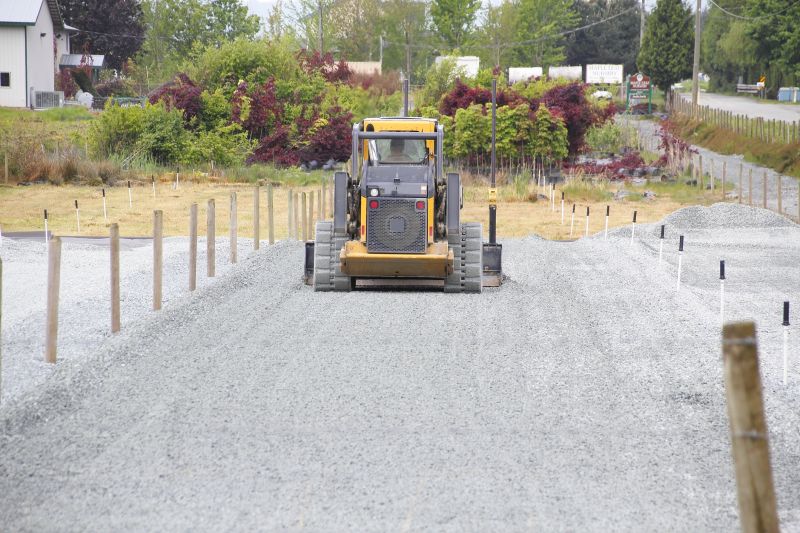
Driveway grading involves leveling and shaping the surface to ensure proper drainage and stability.
Residential driveway grading helps prevent water pooling and reduces erosion around the property.
Commercial driveway grading improves access and safety for vehicles entering and exiting the premises.
Driveway restoration includes regrading existing surfaces to extend their lifespan and functionality.
Drainage correction addresses existing issues to redirect water flow away from the driveway area.
Surface smoothing creates an even, safe surface for parking and vehicle movement.
Driveway Grading Questions
What is driveway grading? Driveway grading involves leveling and shaping the surface to ensure proper drainage and a smooth appearance, preventing water pooling and erosion.
When should driveway grading be done? Grading is typically performed when the driveway shows signs of unevenness, pooling water, or after significant soil movement or construction projects.
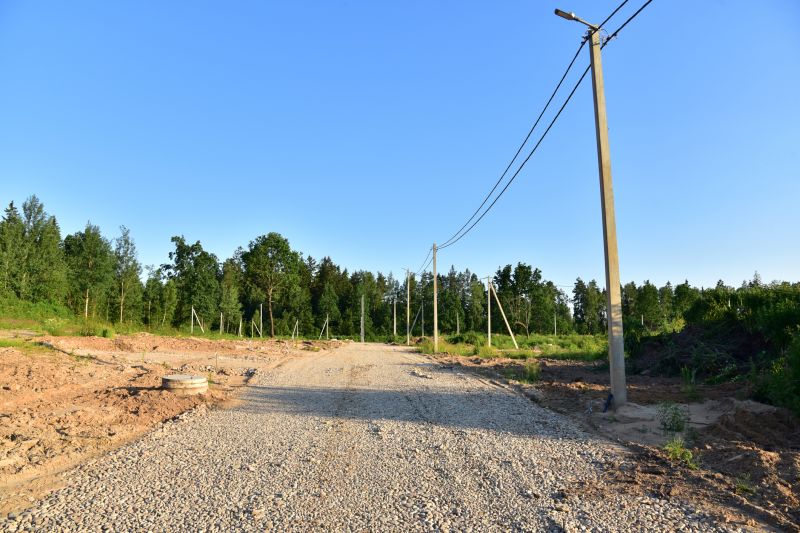
What materials are used for driveway grading? Common materials include gravel, soil, and asphalt, depending on the driveway type and the level of correction needed.
Why is proper driveway grading important? Proper grading helps maintain driveway durability, prevents water damage, and improves overall property drainage and safety.
Request Driveway Grading in Houston, TX
Use the quote form on this page to share the basics of your project and request more information for the type of work you need.